How to Protect Your Family Home from Creditors in Florida
Why Families Worry About Creditors After Death
When a loved one passes away, one of the first questions many Floridians ask is: “Will creditors be able to take the family home?”
In Florida, the answer depends on whether the property qualifies as homestead and how the estate plan is structured. Florida law offers some of the strongest homestead protections in the country, but there are important exceptions and pitfalls. With the right planning, you can ensure that your home passes to your family and stays out of creditors’ reach.
Understanding Florida’s Homestead Protections
Under Article X, Section 4 of the Florida Constitution, a primary residence that qualifies as homestead is exempt from forced sale by creditors. This protection continues even after the homeowner’s death, provided the property passes to heirs who are entitled to claim it as homestead.
This exemption is powerful because it applies regardless of the home’s value, shielding the family residence from most creditor claims. However, it is subject to certain size limits:
- Up to ½ acre within a municipality.
- Up to 160 contiguous acres outside a municipality.
The protection also extends to surviving spouses and heirs, but only if the home passes in a way that complies with Florida’s homestead and intestacy laws.
Debts That Can Still Reach the Homestead
Homestead protection is not absolute. Even if your property qualifies, creditors can enforce:
- Property taxes and assessments.
- Mortgages or lines of credit voluntarily pledged against the property.
- Mechanics or construction liens for work performed on the home.
- Homeowners’ or condominium association liens.
Aside from these exceptions, most civil judgments, credit card debts, and medical bills cannot force the sale of a homestead property when it passes to heirs.
What Happens If You Die Without Planning?
If you die without a will or deed and the home qualifies as homestead:
- It passes directly to your surviving spouse and children, outside of probate administration for creditor purposes.
- A surviving spouse may take a life estate, with remainder to the children, or elect a one-half ownership interest.
- If you are unmarried and leave children, they generally inherit the home free of creditor claims.
However, improper planning can cause problems. For example, if you try to leave your homestead to a non-heir, like a friend or unmarried partner, the property may lose its protected status and become available to creditors during probate.
Lady Bird Deeds and Probate Avoidance
One of the most effective ways to ensure the homestead passes smoothly is through a Lady Bird Deed, also called an enhanced life estate deed. This tool allows you to:
- Retain full control during your lifetime (sell, refinance, or change beneficiaries).
- Name remainder beneficiaries who automatically inherit at death.
- Avoid probate while preserving Florida homestead protections.
Because the property transfers directly at death, creditors of the estate cannot reach it (subject to the limited exceptions above). This makes the Lady Bird Deed a simple, low-cost method of protecting the home for your heirs.
Using Trusts to Protect the Family Home
A revocable living trust can also be used to hold a homestead. When properly drafted, the trust preserves homestead protections and avoids probate. Trusts are particularly helpful when:
- You own multiple properties or out-of-state real estate.
- You want incapacity planning as well as creditor protection.
- You need to manage complex inheritances, such as for blended families or minor children.
Key point: If you transfer your home into a trust, it must be drafted carefully. Florida law requires specific language to ensure homestead protections (such as property tax exemptions) are not lost.
Tenancy by the Entirety for Married Couples
If a married couple owns their home as tenants by the entirety, the property is automatically protected from the creditors of only one spouse. This ownership structure provides another layer of protection during life and ensures continuity at death. Combined with homestead protections, tenancy by the entirety is a powerful tool for keeping a family residence safe.
Example Scenarios
Spring Hill Family With a Single Homestead
A homeowner dies leaving behind a spouse and two children. Because the property qualifies as homestead, creditors cannot force its sale. The spouse receives a life estate, and the children receive remainder interests. No probate creditor claims apply.
New Port Richey Retiree With a Lady Bird Deed
A widow records a Lady Bird Deed naming her son as beneficiary. When she passes away, the property automatically transfers to her son, bypassing probate. Credit card and medical debt in her estate cannot attach to the home.
Blended Family With Improper Planning
A man in Hernando County tries to leave his homestead to a long-term partner, bypassing his spouse and children. Because Florida law prohibits devising homestead in this way, the attempted transfer fails, and the property enters probate — exposing it to disputes and delaying protection.
FAQs About Protecting the Family Home From Creditors
Does the homestead exemption apply after death?
Yes. If the property qualifies and passes to heirs, it remains exempt from most creditor claims.
Can creditors file liens against the home?
Certain liens, such as mortgages, property taxes, HOA assessments, and mechanics liens, remain enforceable.
What if I want to leave my home to a non-family member?
Homestead law restricts devises if you have a surviving spouse or minor children. In those cases, you cannot leave it to someone outside the family.
Can a Lady Bird Deed lose creditor protection?
Not if drafted correctly. The property retains homestead status, and protection continues for heirs.
Is a trust better than a Lady Bird Deed?
It depends. Trusts provide broader estate planning benefits, while Lady Bird Deeds are simple and cost-effective for protecting one property.
Steps to Protect Your Home for Your Family
- Confirm homestead status — file your homestead exemption if eligible.
- Avoid improper devises — do not attempt to bypass spousal or minor child rights.
- Consider a Lady Bird Deed — for simple, low-cost probate avoidance.
- Use a revocable living trust — if you have multiple properties or need incapacity planning.
- Consult an estate planning attorney — to ensure documents comply with Florida law.
Why Work With an Estate Planning Attorney
Homestead protection in Florida is powerful but also highly technical. Errors in titling, wills, or trusts can accidentally expose a home to creditor claims. An experienced estate planning attorney in Spring Hill or New Port Richey can:
- Ensure homestead status is preserved.
- Draft deeds and trusts that maintain creditor protections.
- Integrate the homestead with wills, trusts, and beneficiary designations.
- Avoid costly disputes among family members.
Key Takeaways
- Florida’s homestead protection shields the family home from most creditors after death.
- Certain debts, including mortgages and taxes, still apply.
- Lady Bird Deeds and properly drafted trusts help ensure protection while avoiding probate.
- Mistakes in planning — especially with spousal or minor child rights — can jeopardize protection.
- Legal guidance ensures your family home is preserved as intended.
Your home is more than an asset — it is your family’s foundation. Florida law gives you unique tools to shield it from creditors after death, but those protections only work when your estate plan is carefully designed. Whether through a Lady Bird Deed, a trust, or coordinated planning, you can pass your home securely to your loved ones while preserving its exempt status.
Protect your home before it’s too late.
Contact Gary Cors in Spring Hill or New Port Richey to learn how Florida’s homestead laws, Lady Bird Deeds, and trusts can safeguard your family residence from creditors. Our attorneys will guide you through every option to ensure your home — and your legacy — stays in the right hands.
Disclaimer: This article is for informational purposes only and does not constitute legal advice. Estate planning depends on your unique circumstances. For tailored guidance, consult with a qualified estate planning attorney. Gary Cors serves clients in Spring Hill, New Port Richey, and surrounding Florida communities.
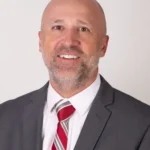
Gary Cors, a Florida native educated at USF and Stetson Law, has practiced wills, trusts, estates, probate, and real estate since 1999 while also teaching in Pasco-Hernando State College’s Paralegal Program.