Can a Lady Bird Deed Be Contested in Florida? What the Law Allows and What Courts Review
Lady Bird Deeds, formally known in Florida as enhanced life estate deeds, are widely used to transfer real property outside of probate. While Florida law recognizes these deeds, they are not immune from legal challenge. Whether a Lady Bird Deed can be contested depends not on the concept itself, but on how the deed was created, executed, and recorded.
This article explains, using Florida law and court procedure, when a Lady Bird Deed may be challenged and what Florida courts evaluate when disputes arise.
Legal Status of Lady Bird Deeds in Florida
Florida statutes do not explicitly define the term “Lady Bird Deed.” Instead, Florida courts have long recognized enhanced life estate deeds as valid conveyances under Florida property law when properly executed.
The defining feature of a Lady Bird Deed is that the grantor retains:
- A life estate
- The right to sell, mortgage, or revoke the deed without beneficiary consent
Because ownership does not transfer until death, the property generally avoids probate if the deed is valid.
Whether a Lady Bird Deed Can Be Contested Under Florida Law
Florida law allows any legally cognizable interest in property to be challenged in court. A Lady Bird Deed is no exception.
Challenges typically arise in probate or civil court proceedings and focus on whether the deed complied with Florida legal requirements at the time it was executed.
Courts do not invalidate Lady Bird Deeds based on dissatisfaction or perceived unfairness alone. The analysis is procedural and evidentiary.
Grounds Florida Courts Review When a Lady Bird Deed Is Challenged
Capacity at Execution
Florida law requires that the grantor had legal capacity at the time the deed was signed. If incapacity is alleged, the court examines medical records, witness testimony, and surrounding circumstances.
Capacity challenges are fact-specific and resolved by evidence, not assumptions.
Undue Influence or Fraud
A Lady Bird Deed may be contested if there is evidence that the grantor was improperly influenced or deceived. Florida courts apply established legal standards when evaluating undue influence claims, including the nature of the relationship between parties and the circumstances of execution.
The mere existence of a close relationship does not invalidate a deed.
Improper Execution or Recording
Florida law requires deeds to meet specific execution and recording requirements to be effective. Errors in witnessing, notarization, or recording may expose a deed to challenge.
Courts examine whether statutory formalities were met, not whether the outcome aligns with expectations.
Conflicts With Other Estate Planning Documents
Conflicts between a Lady Bird Deed and later wills, trusts, or contractual obligations may result in litigation. Florida courts resolve conflicts using statutory interpretation and document priority rules.
What Florida Courts Do Not Consider Grounds for Contest
Florida law does not invalidate Lady Bird Deeds solely because:
- Heirs are disinherited
- The transfer avoids probate
- The decision benefits one beneficiary more than others
Florida property law permits lawful lifetime planning decisions, even when they alter expected inheritance.
Why Lady Bird Deed Challenges Often Arise After Death
Because Lady Bird Deeds transfer property at death, disputes often emerge when heirs discover the transfer for the first time. Probate courts then determine whether the deed is valid, enforceable, and properly executed.
These disputes are resolved through legal analysis, not equitable preference.
Legal Takeaway
Lady Bird Deeds are recognized under Florida law, but their effectiveness depends entirely on compliance with legal requirements. When improperly executed or contested on recognized legal grounds, courts may intervene.
Proper drafting, execution, and coordination with the broader estate plan are critical.
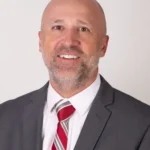
Gary Cors, a Florida native educated at USF and Stetson Law, has practiced wills, trusts, estates, probate, and real estate since 1999 while also teaching in Pasco-Hernando State College’s Paralegal Program.