Estate Planning Attorney in New Port Richey: When Local Experience Matters
Estate planning in New Port Richey is governed by Florida law, but the outcomes families experience often depend on how well that law is applied in practice. Local real estate ownership, long-term Florida residency, blended families, and retirees relocating from other states all introduce legal issues that estate planning documents must address correctly. When documents are drafted without a clear understanding of Florida statutes or local probate administration, families are frequently left navigating court processes that proper planning could have avoided.
Estate planning is not simply about preparing documents. It is about ensuring those documents function as intended under Florida law and hold up if they are ever reviewed by a probate judge.
Florida estate planning is statutory, not flexible
Florida courts do not interpret estate plans based on fairness or presumed intent. They apply statutes. When documents are missing, contradictory, or improperly executed, Florida law supplies default rules for distribution, administration, and decision-making.
In New Port Richey, this becomes particularly important because many residents:
- Own Florida homestead property
- Have family members living in multiple states
- Rely on retirement income and beneficiary-designated assets
- Have estate planning documents prepared years earlier in another jurisdiction
Florida law controls regardless of where a document was drafted. A will, trust, or power of attorney that worked elsewhere may not satisfy Florida’s execution or enforcement requirements.
Why local estate planning experience matters in New Port Richey
New Port Richey estate planning must account for how assets are actually titled and how Florida probate courts administer estates. Pasco County probate cases move according to local filing practices, court scheduling, and procedural enforcement.
Local experience matters when planning involves:
- Florida homestead property and restrictions on devise
- Joint ownership structures that do not align with intent
- Beneficiary designations that conflict with estate documents
- Anticipated probate administration in Pasco County
- Incapacity planning to avoid guardianship proceedings
Estate plans that are legally valid but poorly coordinated often fail at the administration stage, creating disputes among beneficiaries or forcing court intervention.
Wills and probate planning for New Port Richey families
A Last Will and Testament governs the distribution of probate assets and the appointment of a personal representative. It does not avoid probate, but it provides structure and direction.
When someone dies without a valid Florida will, state intestacy statutes control who inherits and who administers the estate. These statutory defaults often surprise families, particularly in second-marriage or blended-family situations.
Clear, Florida-compliant wills reduce disputes, objections, and delays during probate. They also reduce the likelihood that the court will need to resolve ambiguities or competing claims.
Trust planning and common pitfalls
Trusts are commonly used in New Port Richey for asset management, privacy, and probate avoidance, but only when implemented correctly. Florida trusts control only the assets that are properly transferred into them.
One of the most common problems in Pasco County probate cases is the partially funded trust. Families often assume a trust controls everything when, in reality, deeds were never retitled or accounts were never transferred. Courts must then determine which assets are governed by the trust and which fall into probate.
Trust planning must be coordinated with real estate deeds, account ownership, and beneficiary designations to function as intended.
Planning for incapacity under Florida law
Florida law does not grant automatic authority to family members to manage finances or make medical decisions for an incapacitated adult. Without proper documents, court-supervised guardianship may be required.
Durable powers of attorney authorize financial decision-making during life. Healthcare surrogate designations and living wills address medical decisions. These documents operate independently and are not replaced by wills or trusts.
In Pasco County, guardianship proceedings involve ongoing judicial oversight. Proper incapacity planning is one of the most effective ways to avoid that process.
Real estate considerations in New Port Richey estate planning
Real estate is often the most significant asset in a New Port Richey estate. Florida law treats homestead property differently than other assets, and improper planning can create restrictions on transfer or sale.
Estate planning should account for:
- How property is titled
- Whether it qualifies as Florida homestead
- Whether ownership structure aligns with the intended distribution
- How transfer will occur at death under Florida law
Attempts to “avoid probate” through informal deed changes often create larger legal problems, particularly when homestead protections or creditor rights are overlooked.
Blended families and elective share issues
Blended families are common in New Port Richey, and Florida law provides statutory protections for surviving spouses that can override estate planning documents if not addressed properly.
Without careful planning:
- A surviving spouse may assert elective share rights
- Children from prior relationships may receive less than expected
- Probate administration may be delayed by statutory elections and objections
Estate planning for blended families must be structured with Florida’s spousal rights and probate statutes in mind.
Why experience with local probate administration matters
Florida estate law is statewide, but probate administration is local. New Port Richey estates are administered through Pasco County courts, where procedural compliance, accurate filings, and proper notice matter.
Estate plans that are clear, internally consistent, and aligned with Florida statutes are less likely to encounter objections, delays, or court intervention during local probate administration.
Local experience helps ensure estate planning documents are not only legally valid, but practically effective when they are needed most.
A practical takeaway for New Port Richey families
Effective estate planning is not about the number of documents. It is about coverage, coordination, and compliance with Florida law.
Plans that work well typically address:
- Distribution after death
- Management during incapacity
- Medical decision-making
- Real estate ownership
- Beneficiary designations
- Local probate realities
When these pieces are aligned, families experience fewer disputes, less court involvement, and more predictable outcomes.
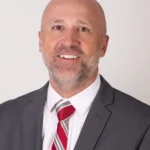
Gary Cors, a Florida native educated at USF and Stetson Law, has practiced wills, trusts, estates, probate, and real estate since 1999 while also teaching in Pasco-Hernando State College’s Paralegal Program.